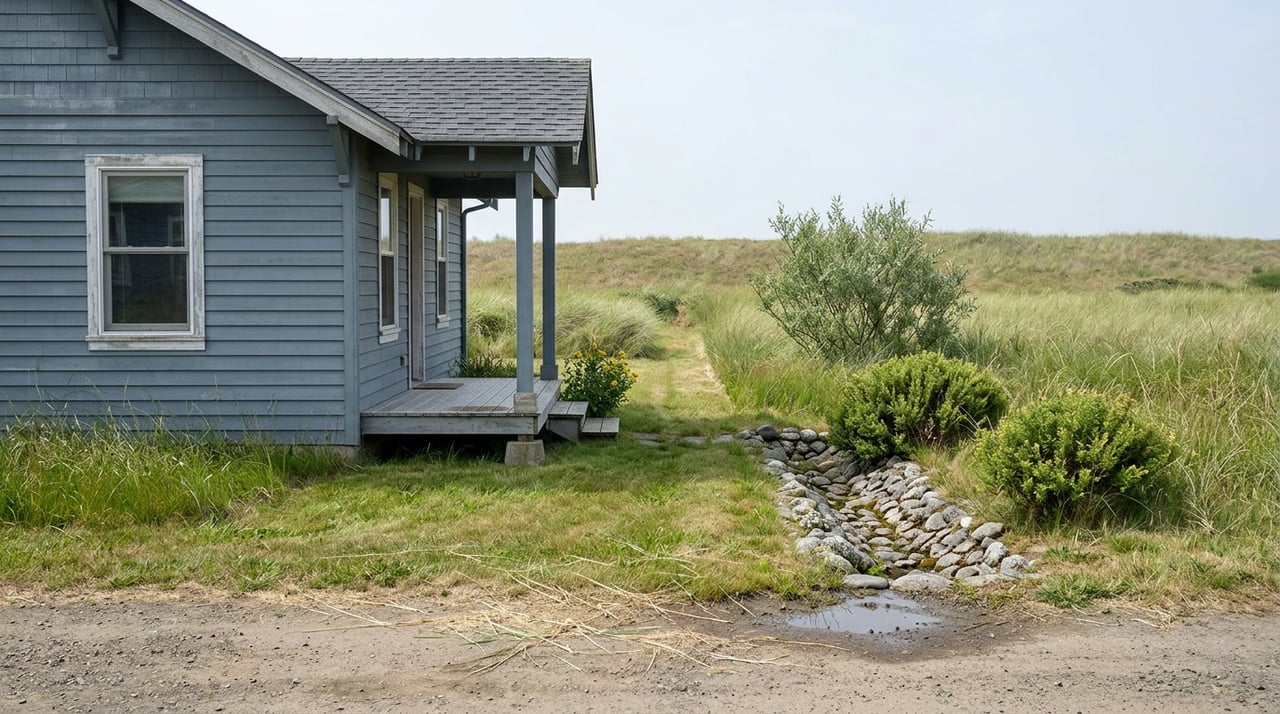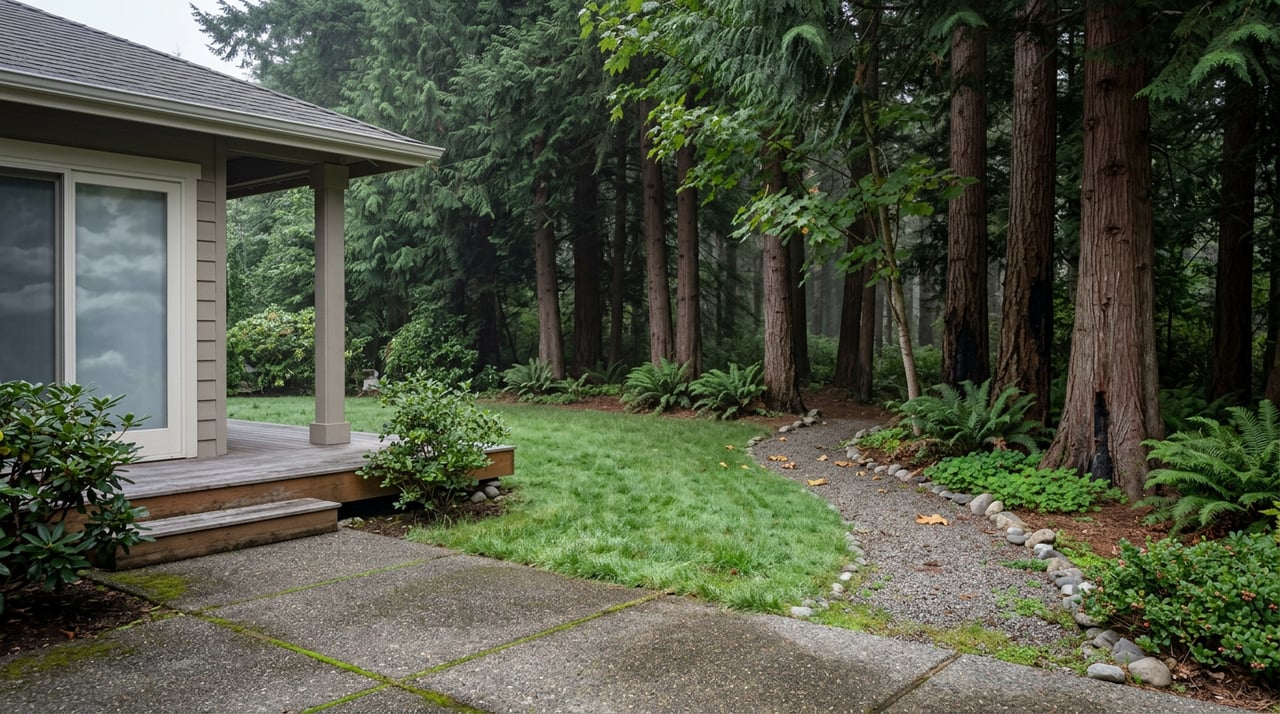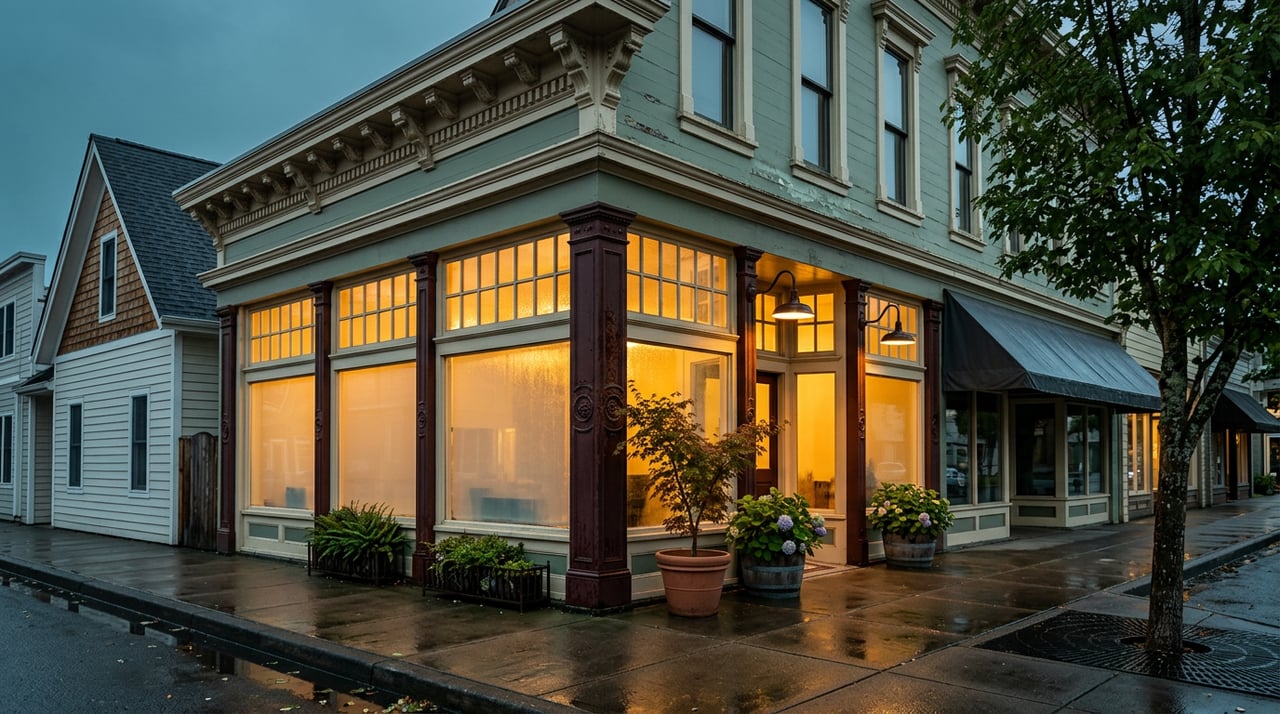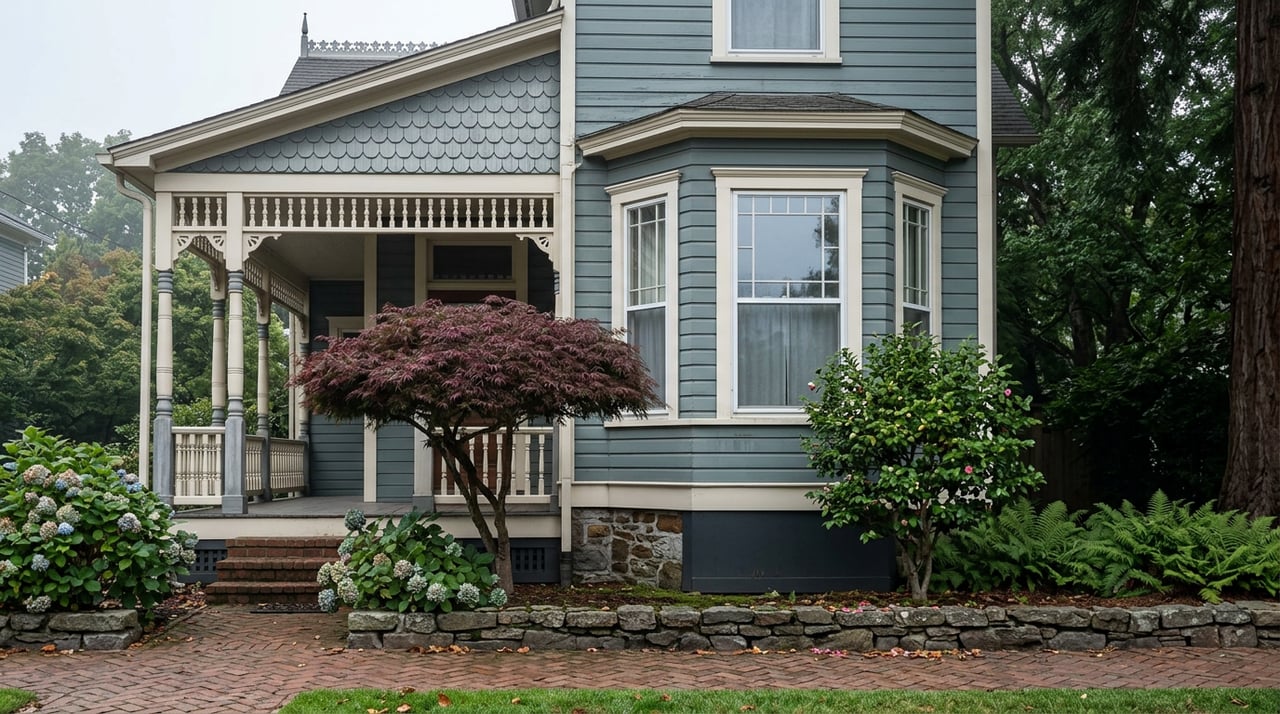
A three-bedroom Victorian near Henderson Center and a three-bedroom rancher in Cutten can list within a few thousand dollars of each other. On paper, a buyer comparing the two would assume the newer Cutten home is the safer financial bet: less to fix, less to insure, less to worry about. That assumption misses the one line item that only applies to the older house, and it can be worth more over a decade than the price gap between the two properties ever was.
That line item is Eureka's Mills Act program, and most buyers touring both homes never hear about it until an agent brings it up mid-escrow, if at all.
The numbers that look almost identical
Citywide, Eureka's median sale price sat at $399,000 for the three months ending May 2026, up 2.4% from the same period a year earlier. Homes in Cutten, meanwhile, carried a median sale price of $447,000 over the trailing twelve months, down 3% year-over-year. Newer construction, larger lots, and two-car garages account for most of that gap. It is a modest premium, the kind a buyer might pay for a shorter punch list and a roof that doesn't need attention for another decade.
Here's the part that gets lost in a quick portal search: Eureka's citywide median already includes Cutten. The historic core (Old Town, City Center, Henderson Center) is being averaged in with Cutten's ranch-style stock, and the blended number still lands below Cutten's own median. That means the older homes pulling the citywide figure down are likely trading well under $399,000, not near it. One widely tracked home-value index, updated as of June 30, 2026, showed Eureka values down 2.5% over the same year that sale-price data showed gains, a reminder that a single median hides two very different housing stocks moving in different directions at once.
What the price tag doesn't cover
Eureka's Victorian and Craftsman inventory mostly dates to the 1880s through the 1920s. Cutten's residential streets were built primarily in the 1950s and 60s. That fifty-to-eighty-year gap shows up in a home inspection long before it shows up in the sale price.
Pre-1980 homes on raised foundations are the ones most likely to need mudsill bolting and cripple wall bracing, the standard seismic retrofit that keeps a house from sliding off its foundation in an earthquake. The California Residential Mitigation Program, which runs the state's Earthquake Brace + Bolt grant, puts a typical raised-foundation retrofit at $3,000 to $7,000, with up to $3,000 of that covered by a state grant for qualifying homeowners. Cutten's ranch homes, built largely in the 1950s and 60s, sit close to the edge of that pre-1980 window too. Whether a specific house needs the work comes down to foundation type, not the neighborhood name on the listing.
That's the retrofit math working against the historic core. Here's where it works back in its favor.
The line item Cutten can't offer
Eureka is one of the California cities that participates in the Mills Act, a state program that lets a city contract with the owner of a qualifying historic property to reduce property taxes in exchange for maintaining the home's character. To qualify, a property has to sit entirely within city limits, be privately owned, and be individually listed on the City of Eureka's Local Register of Historic Places. According to the city's own Mills Act application materials, the resulting tax reductions can run anywhere from 15% to 60% below what the owner would otherwise pay under standard Proposition 13 assessment.
A ranch house built in Cutten in 1958 cannot get on that registry. The program exists for the exact housing stock that carries the retrofit risk: the century-old Queen Annes and Craftsmans clustered in Old Town, City Center, and Henderson Center.
A Mills Act contract runs at least ten years, renews automatically, and stays with the property when it sells. It doesn't erase the cost of a seismic retrofit, but it can offset it for as long as the next owner keeps the home on the registry.
The Eureka Heritage Society notes that new buyers tend to benefit the most from an existing contract, especially on a home purchased near current market value, while long-term owners with already-low, pre-Prop 13 assessments see less upside. That's a detail worth raising with a listing agent directly: an existing Mills Act contract on a home for sale doesn't automatically mean a new buyer inherits the same tax basis or the same percentage of savings. The contract transfers, but the numbers underneath it get recalculated.
Two different Tuesday mornings
The financial math is only half the comparison. The two neighborhoods live differently day to day.
Henderson Center runs its own seasonal Henderson Center Farmers' Market a few blocks from streets lined with some of the best-preserved Victorian and Edwardian architecture in the region, including a stretch documented on the Hillsdale Street Victorian Walking Tour, which highlights Queen Anne and Eastlake details block by block. Old Town, just a few minutes away, runs its own farmers market and is home to the 1884 Carson Mansion, a four-story landmark still standing as one of the most photographed Victorians on the North Coast.
Cutten runs at a different pace. Its small commercial strip sits at Fern and Walnut streets, anchored by Babe's Pizza & Pasta, The Cutten Chalet, and Cocina Oaxaqueña. The neighborhood backs up to the 60-acre Sequoia Park, home to old-growth redwood trails, the Redwood Sky Walk, and Sequoia Park Zoo, California's oldest zoo. It's a quieter, sunnier microclimate than the coastal fog that settles over Old Town, with two-car garages and fenced yards standard on most lots.
Neither pace is better. They're different products, and the price gap between them is smaller than the lifestyle gap suggests.
What to verify before you write the offer
A few questions are worth answering before either home gets an offer:
- Is the historic property already listed on Eureka's Local Register of Historic Places, or would a buyer need to apply after closing? The city's application process requires labeled interior and exterior photos and, in many cases, a qualified preservation consultant.
- If a Mills Act contract already exists, what will the assessed value and tax bill look like under the new sale price, not the seller's current one?
- For any pre-1980 home on a raised foundation, has a seismic retrofit already been completed, and is there documentation? If not, budget for an inspection focused specifically on mudsill bolting and cripple wall bracing.
- For newer Cutten construction, confirm the age of major systems (roof, water heater, panel) since "newer" in Cutten still often means a 1960s build with updates layered on top.
Frequently asked questions
Does a Mills Act contract transfer automatically when a historic home sells in Eureka? The contract itself stays with the property, but the tax savings are recalculated against the new sale price and current assessment formula, so a buyer should confirm the resulting numbers with the city rather than assume the previous owner's savings carry over unchanged.
Can a buyer apply for a Mills Act contract after closing if the home isn't already enrolled? Yes, but the property first needs to be listed on the City of Eureka's Local Register of Historic Places, which is a separate application from the Mills Act contract itself and can take time to process.
Will a Cutten home ever qualify for the Mills Act? Only if it meets the city's historic designation criteria, which generally rules out the 1950s and 60s ranch homes that make up most of Cutten's current inventory.
The price tag on a Eureka listing rarely tells the whole story, and the gap between what two homes cost to buy and what they cost to hold can run in a direction most buyers don't expect. If you're weighing a historic Eureka property against something newer, Redwood Realty can walk through what a specific address qualifies for, retrofit history included. Get Your Home Value today and start with the real numbers, not just the list price.