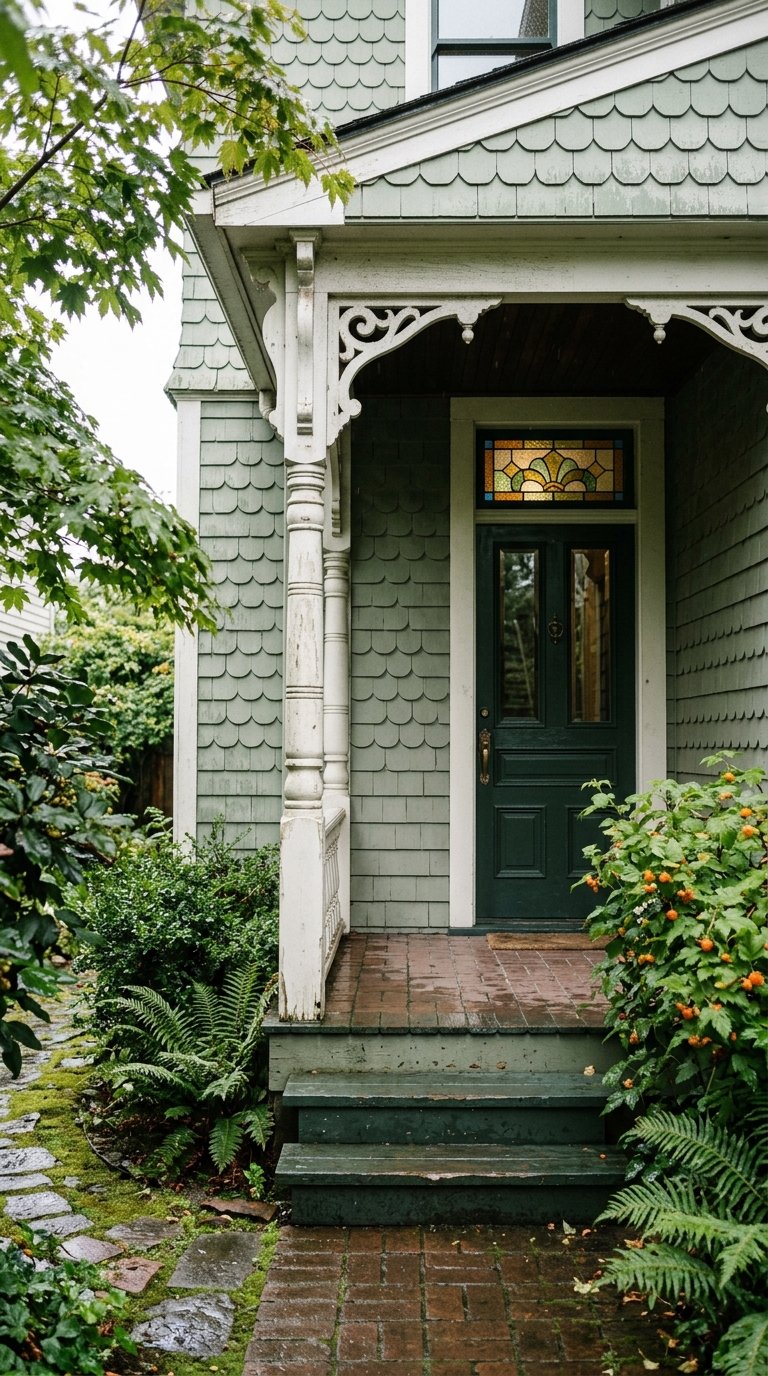
Ever walk through Old Town Eureka and wonder what stories are tucked behind those turrets, porches, and weathered wood details? If you are drawn to historic homes, you are not alone. Buying or selling an older property here can feel exciting and a little complex, so this guide will help you understand Old Town’s charm, the styles you may see, and the practical issues that matter most. Let’s dive in.
Why Old Town Eureka Stands Out
Eureka began in the 1850s as a supply post for mining activity in the Trinity Mountains and incorporated in 1856. The city also describes Eureka as a Victorian seaport, which helps explain why so much of its historic character still feels visible today.
Old Town is more than a postcard setting. It is a 23-block National Register historic district and California Historical Landmark No. 477, with a mix of commercial buildings, waterfront warehouses, and residential properties.
That mix is part of what makes the area special. Old Town is not a frozen museum district. It is an active downtown area tied to Main Street activity, with civic, commercial, and residential spaces all woven together.
What Defines Old Town Charm
Old Town’s appeal comes from variety as much as age. The historic district includes everything from ornate Victorian facades to simpler vernacular buildings, along with homes and structures that range from fully restored to still in need of work.
The National Register nomination counted 164 contributing resources across the district’s 23 blocks, with a roughly 3-to-1 ratio of contributing to noncontributing buildings. That means a large share of the district still reflects the historic character that gives the area its identity.
If you are exploring the neighborhood block by block, the city’s Historic Eureka map can be a useful local tool. The city says it includes roughly 1,500 structures and can be filtered by theme or location, which makes it helpful for learning about periods, styles, and notable buildings.
Where Historic Homes Are Found
When many people think of Old Town, they picture the commercial core first. But the historic district also includes residential areas, especially east of the commercial blocks between G and N Streets, where the nomination identifies an historic single-family neighborhood.
For buyers, that means the Old Town story is not just about storefronts and landmarks. It also includes lived-in residential streets where older homes may offer original details, distinct architecture, and a close connection to downtown and the waterfront.
For sellers, location within or near the historic district can shape how buyers see your home. Original features, exterior character, and the home’s relationship to the surrounding streetscape often matter as much as square footage.
Historic Styles You May See
One of the best things about Eureka’s historic housing stock is that it is not all one look. Old Town’s historic fabric includes Greek Revival, late Victorian, Colonial Revival, Mission Revival, Sullivanesque, Bungalow/Craftsman, Streamlined Moderne, Art Deco, and several vernacular house types.
That range gives you more to notice as you walk or house hunt. Here are some of the styles that often stand out most.
Queen Anne and Eastlake Details
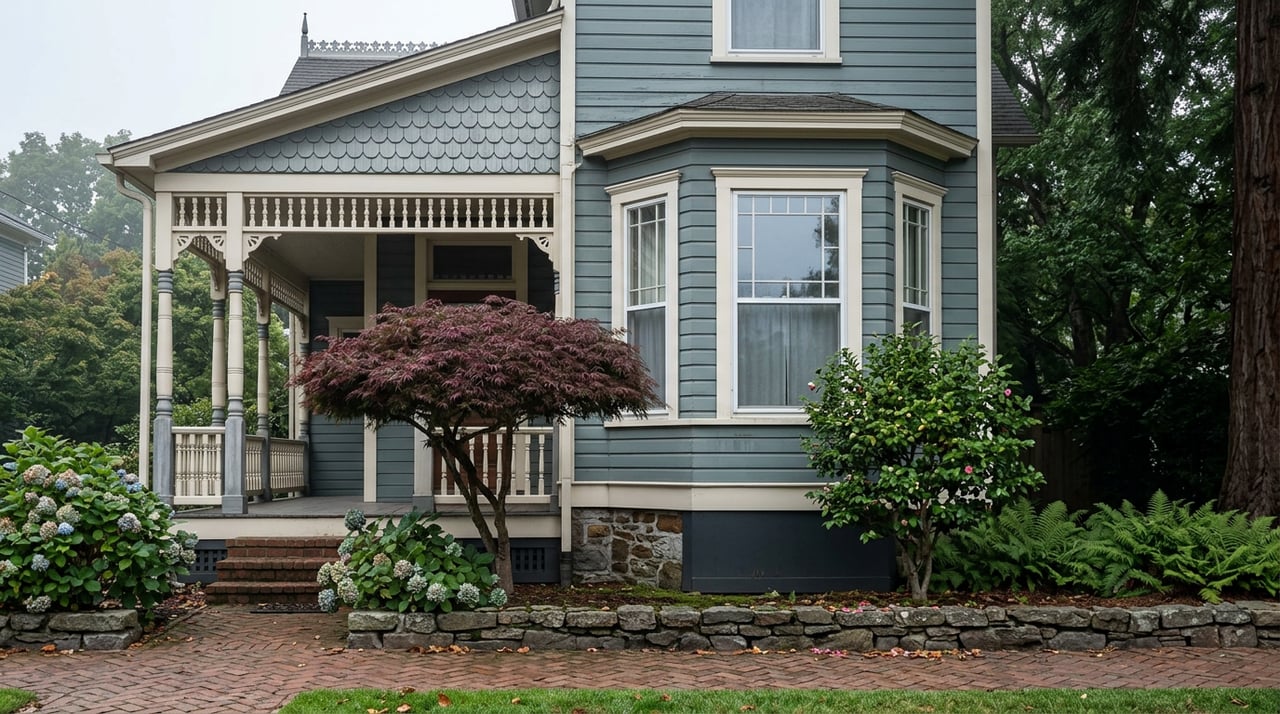
If you picture a dramatic Victorian home with asymmetrical shapes, steep gables, a turret, stained or multi-paned windows, and decorative spindlework, you are likely thinking of Queen Anne. These homes often create the strongest visual impression in Eureka’s historic areas.
Eastlake detailing often shows up in porch elements and trim. Turned posts, railings, balusters, and carved woodwork can give these homes a layered, handcrafted look.
The district nomination describes the Carson House as Queen Anne with Eastlake detailing. Even if your home is much simpler, those same design cues may help you identify its era and style influences.
Italianate Character
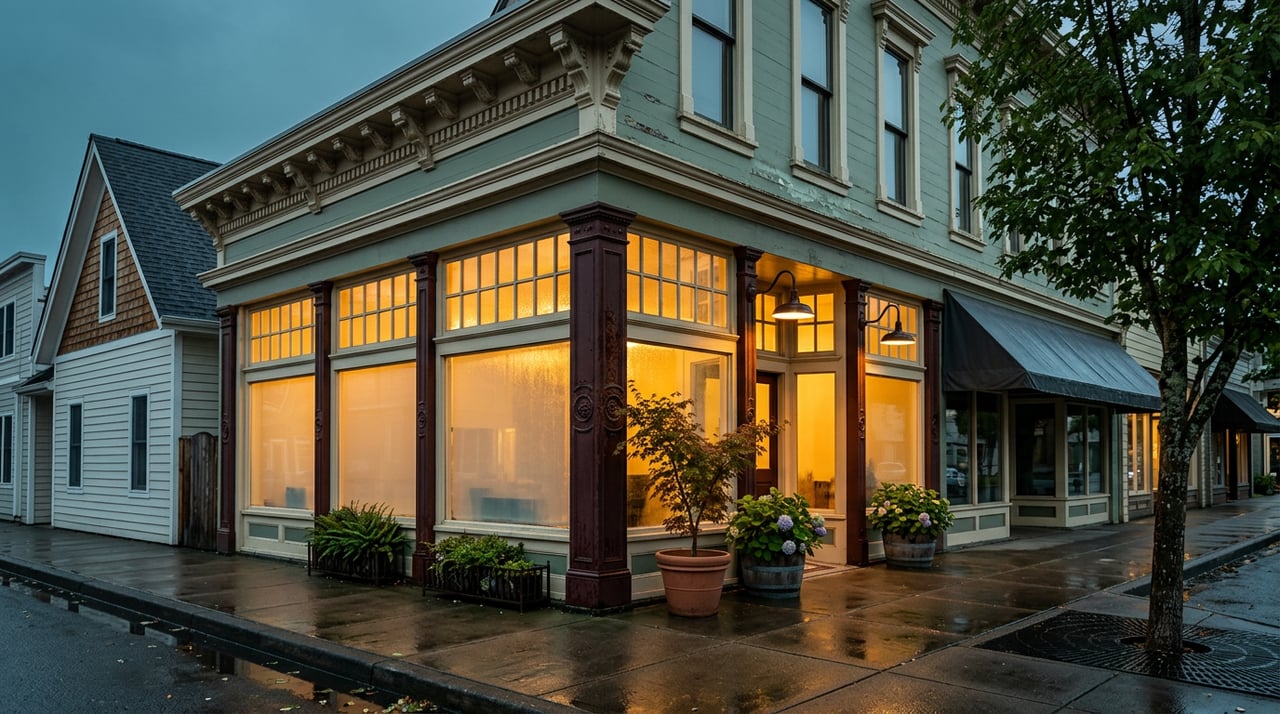
Italianate homes usually feel more vertical and structured. Common features include low overhanging roofs with decorative brackets, narrow windows with hoods, and in some cases towers or projecting porches.
In practical terms, Italianate design can read as elegant rather than playful. It offers a nice contrast to the more ornate and irregular shapes seen in Queen Anne homes.
Colonial Revival Symmetry
Colonial Revival homes often look more balanced and formal. You may notice symmetrical fronts, columns or pilasters, fanlights or sidelights near the entrance, and a generally more classical appearance.
If you prefer a historic home with cleaner lines and a more orderly facade, this style may appeal to you. It is still part of Old Town’s historic story, even though it feels different from the most elaborate Victorian examples.
Craftsman and Mission Revival
Old Town’s identity continued to evolve into the early 20th century. Craftsman bungalows typically feature broad low gables, porches, and strong wood detailing, while Mission Revival often includes white stucco, red tile roofs, deep openings, and arches.
These styles matter because they show that Eureka’s historic character extends beyond one period. If you love older homes but want something simpler or more practical in layout, these later styles may offer a great fit.
What Buyers Should Notice First
Historic homes can be deeply rewarding, but they ask you to look beyond surface finishes. In Eureka, original materials and exterior details often play a major role in both charm and upkeep.
Start by paying attention to the features that define the home’s character. Windows, porches, entries, trim, siding, and rooflines can all tell you a lot about condition, maintenance needs, and possible review requirements for future changes.
Here are a few smart places to focus early:
- Wood windows: The city notes that wooden windows are an integral part of a historic building’s character. Routine maintenance, paint repair, sash repair, weatherstripping, and repainting are common preservation tasks.
- Porches and entrances: These are often character-defining features, especially in Eastlake, Stick, Italianate, and bungalow designs. Repair and preservation are typically preferred before replacement is considered.
- Water-related wear: National Park Service guidance notes that deterioration often begins where water collects, especially at sills and joints.
- Lead-based paint risk: Homes built before 1978 are more likely to contain lead-based paint, and EPA reports especially high rates in homes built before 1940.
What Sellers Should Prepare For
If you are selling a historic home in or near Old Town, buyers may arrive with equal parts admiration and caution. That is normal. Older homes invite more questions, so preparation matters.
You do not need to turn your house into a perfect preservation project to make a strong impression. But it helps to understand the age of the home, highlight original features that remain, and be ready to discuss known maintenance history.
For many sellers, the best approach includes:
- Identifying architectural features that make the home distinctive
- Gathering records for exterior work, repairs, or restoration
- Understanding whether the property appears on local historic resources
- Preparing for lead-based paint disclosures if the home was built before 1978
- Presenting the home in a way that honors its character without overwhelming buyers
Local Review and Preservation Tools
In Eureka, historic-home decisions are not only about taste. The city’s Historic Preservation Commission handles various project and permit approvals for exterior changes to more than 1,000 Local Register properties.
That is important if you are thinking about replacing windows, changing exterior materials, or making visible alterations. Before planning work, it is wise to confirm whether your property is locally listed and whether city review may apply.
The city also provides historic-window resources and a searchable historic inventory. For buyers, those tools can help you understand what you are purchasing. For owners, they can help you plan repairs in a way that fits the property’s historic character.
Tax Relief May Be Available
Some historic property owners in Eureka may benefit from the Mills Act. According to the city, the program can reduce property taxes for qualifying properties and supports rehabilitation and seismic safety retrofitting.
That does not mean every older home qualifies automatically. But if you are considering the purchase of a historic property, or already own one, it may be worth learning whether the property could qualify and what obligations come with that benefit.
Old Town Is a Lifestyle as Much as a Location
Part of Old Town’s appeal is how compact and layered it feels. Eureka Main Street covers A to I Streets and the Waterfront to Eighth Streets, reflecting an area shaped by ongoing business, events, and daily activity rather than just historic preservation alone.
For some buyers, that means being close to downtown energy, bayfront views, and architecturally interesting streets. For sellers, it means your home may attract people who value character, walkability, and a connection to one of Humboldt County’s most recognizable historic areas.
If you are trying to make sense of a historic home purchase or sale in Eureka, local context matters. Working with a team that understands how architecture, location, maintenance, and city processes fit together can make the experience much clearer. If you are ready to explore historic homes or prepare your property for the market, connect with Redwood Realty.
FAQs
What makes Old Town Eureka historically significant?
- Old Town is a 23-block National Register historic district, a California Historical Landmark, and a mixed-use area with commercial buildings, warehouses, and residential properties tied to Eureka’s 19th- and early-20th-century development.
What architectural styles can you find in Old Town Eureka homes?
- Old Town includes late Victorian styles such as Queen Anne and Eastlake, along with Italianate, Colonial Revival, Craftsman/Bungalow, Mission Revival, and other historic styles listed in the district nomination.
What should buyers check in a historic Eureka home?
- Buyers should closely review wood windows, porches, entrances, signs of moisture-related wear, and the possibility of lead-based paint in homes built before 1978.
Do exterior changes to historic homes in Eureka need city review?
- Some exterior changes may require review because Eureka’s Historic Preservation Commission handles various project and permit approvals for more than 1,000 Local Register properties.
Can original wood windows in a historic Eureka home be repaired?
- Yes, the city and preservation guidance both support repair as an important first option, with maintenance tasks such as paint repair, sash repair, weatherstripping, and repainting often helping preserve original windows.
Are there tax incentives for historic homes in Eureka?
- The city states that the Mills Act can reduce property taxes for qualifying properties and supports rehabilitation and seismic safety retrofitting.