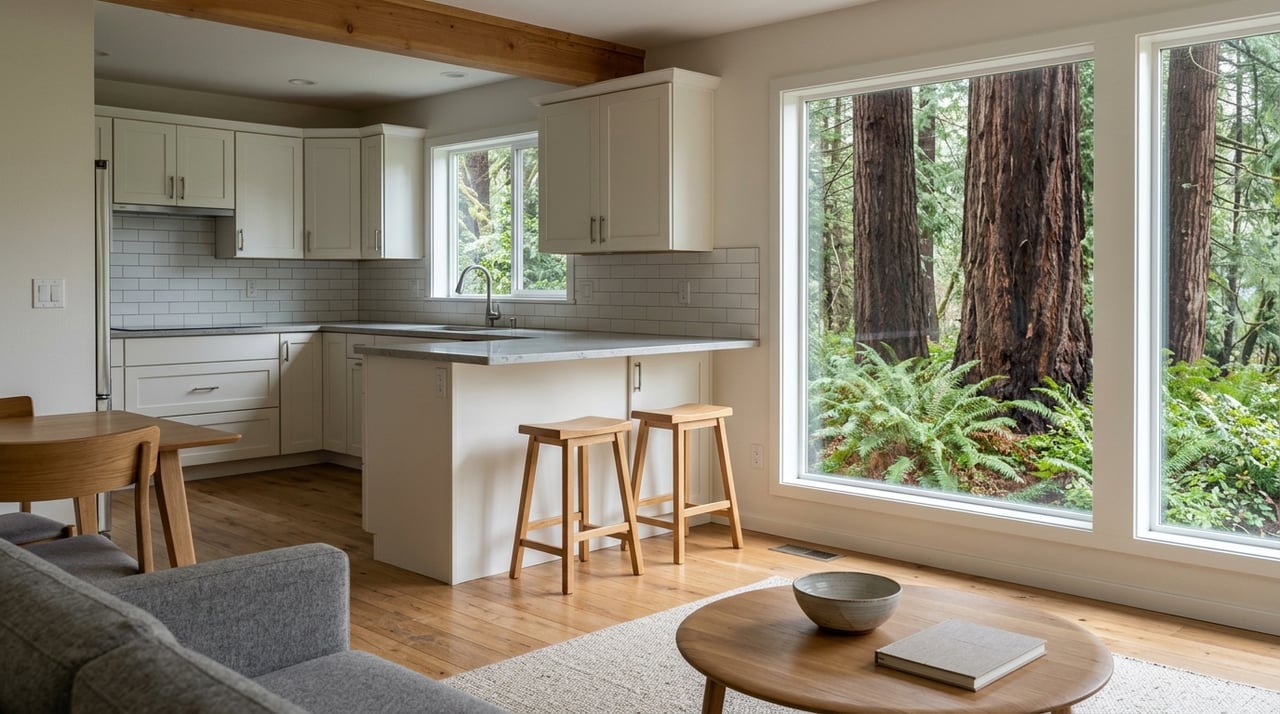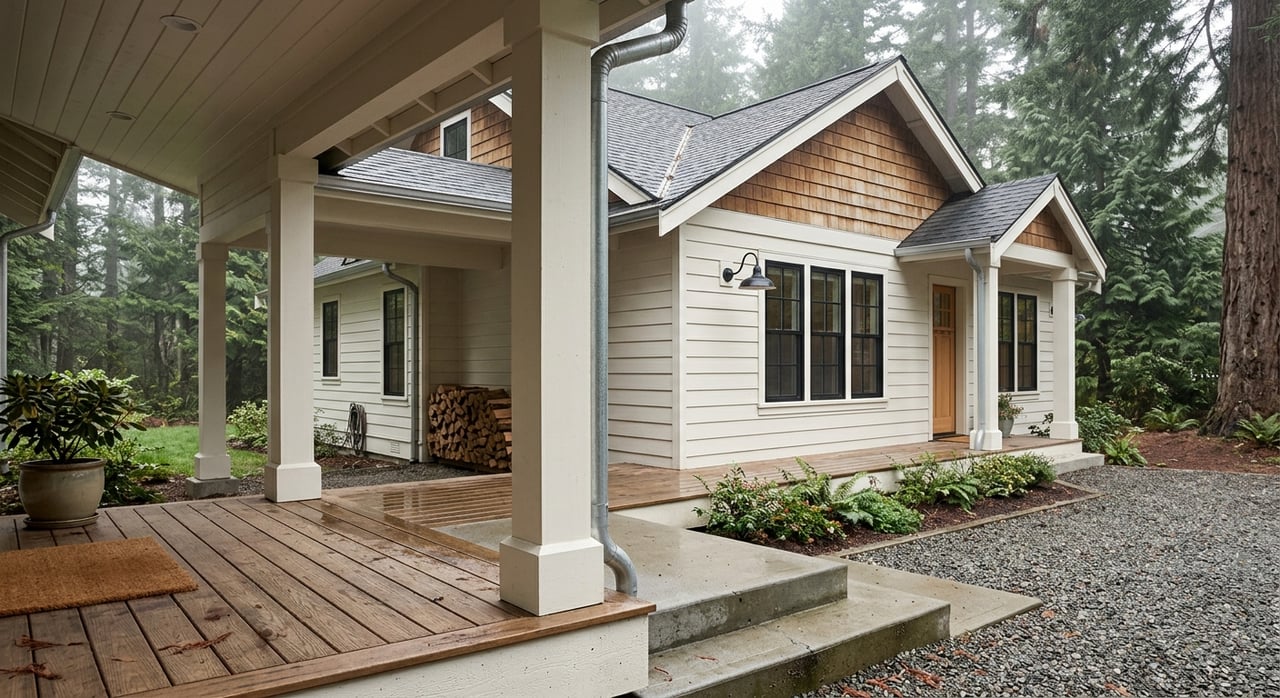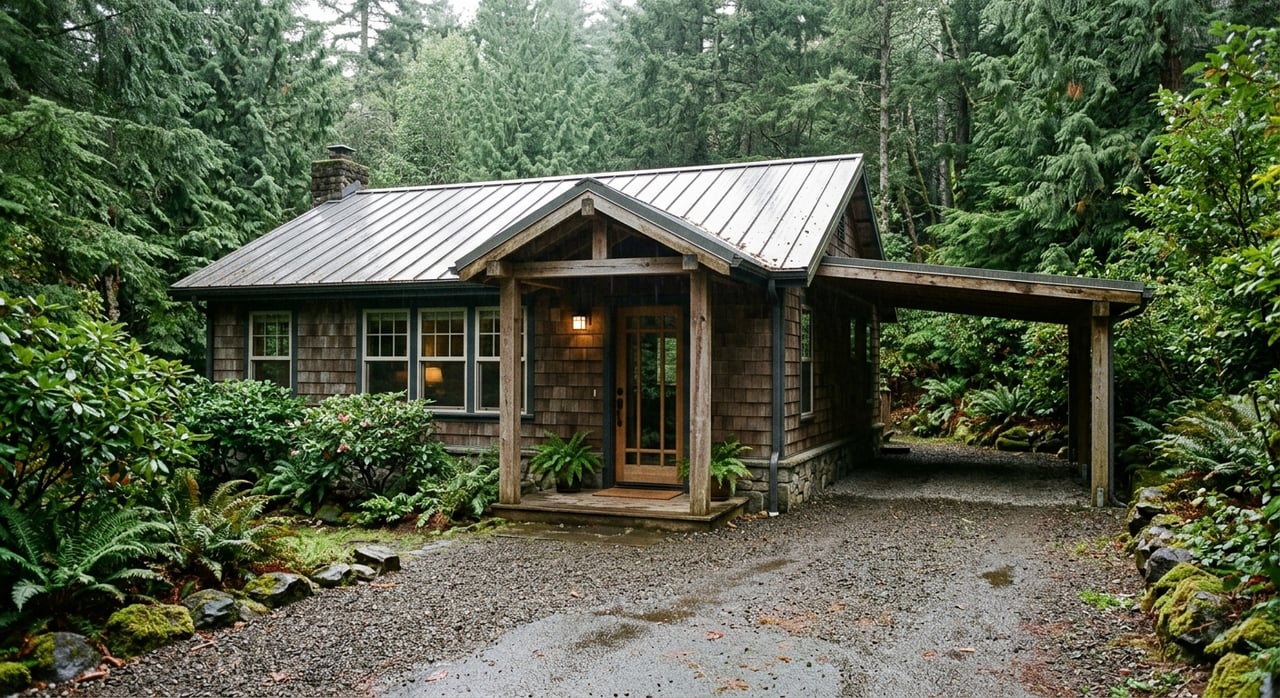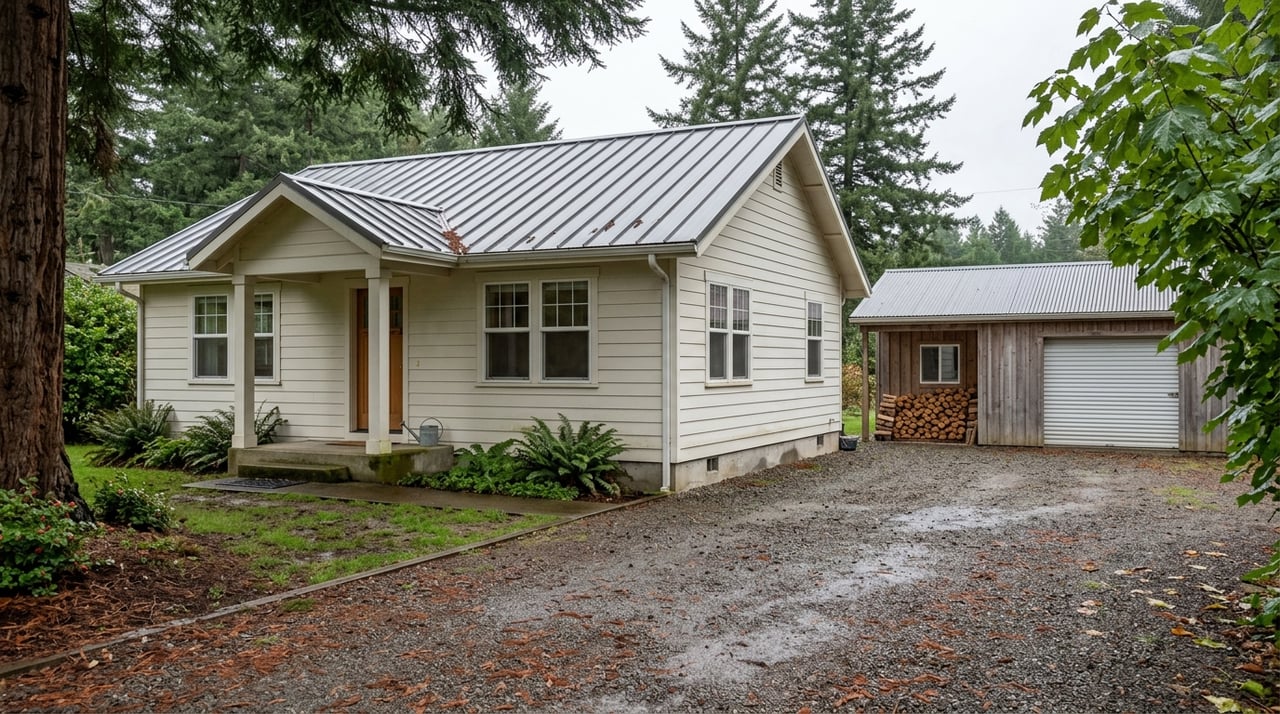
Are you trying to decide between a home in town, a manufactured home, a few acres in the country, or a larger land purchase in Humboldt County? That choice can feel harder here than in many other markets because the property itself often matters just as much as the building on it. If you understand how zoning, utilities, hazards, and local rules shape each option, you can compare properties with more confidence and fewer surprises. Let’s dive in.
Why Humboldt County Is Different
Humboldt County covers 3,568 square miles of land and includes 63,492 housing units, with an owner-occupied housing rate of 56.5%. In a market this large and spread out, the difference between one parcel and the next can be significant.
That matters because a property’s value and usability are not only about square footage or curb appeal. In Humboldt County, zoning, access to sewer or septic, water source, wildfire exposure, coastal rules, wetlands, flood areas, and other development limits can all affect what you can realistically do with a property.
The county also directs buyers and applicants to review GIS mapping and County Code before relying on a parcel for development plans. GIS is a useful starting point, but the county says it should be verified before you make any material decisions.
Comparing Humboldt Property Types
Site-Built Homes
Traditional site-built homes are homes constructed on the property where they will remain and built under California Building Code standards. Humboldt County treats these as a separate category from manufactured homes and Alternative Owner Builder residences.
For many buyers, this is the most familiar option. A site-built home can be easier to compare with other conventional properties because it follows the same broad county and state residential framework.
That said, even a standard home purchase may involve more local review than you expect if you plan to build new, remodel, or expand later. For new construction, the county requires items such as a building application, site plan, construction plans, energy calculations, and other supporting documents, and permits are not guaranteed if a referral agency denies service within its area.
Manufactured Homes
Manufactured homes can offer a different path to ownership in Humboldt County, but the details matter. The county says these homes are permitted mainly in manufactured and special occupancy parks or public camping areas, though they may also be allowed outside parks in certain zoning districts.
If a manufactured home is installed outside a park, it must meet county building and zoning requirements. That can include ground-level skirting and, depending on the date of manufacture, a permanent foundation or an approved tie-down system.
Older units may need extra review. Homes sold before July 1, 1980 must be attached to a permanent foundation or approved tie-down setup, and homes built before September 15, 1971 may require engineer certification.
Title and tax treatment also deserve close attention. The state HCD program handles titling and registration, but when a manufactured home is installed on a foundation system, it is no longer registered by HCD. Humboldt County also notes that mobile homes on permanent foundations are taxed like conventional homes, and title transfers for those homes are handled by the County Recorder in the same manner as conventional homes.
Small Acreage and Rural Homesites
Small acreage can be one of Humboldt County’s most appealing property types if you want privacy, room for outdoor use, or a more rural setting. But rural parcels are not just bigger versions of in-town lots.
The county zoning layer includes categories such as RR, RA, AG, and AE, and each one can come with different expectations for land use and intensity. That means your plans for a garden, shop, outbuilding, or future home work may depend heavily on the parcel’s actual zoning and site conditions.
Utilities are often a major part of the decision. If community sewer is not available, the county requires an approved onsite wastewater treatment system. Wells are also permitted through Environmental Health and must be properly sited and constructed by qualified professionals.
This is often the property type where due diligence matters most. Septic, well placement, grading, road access, slope, flood exposure, wildfire risk, and geologic or coastal constraints can all change what is practical on a given parcel.
Timberland and TPZ Parcels
If you are comparing larger land options, timberland is its own category. Humboldt County’s zoning includes TPZ, which stands for timberland production zone.
Under California tax rules, TPZ land is primarily devoted to growing and harvesting timber and is zoned for a minimum 10-year TPZ period. The property tax value is based on timber use, plus the value of compatible nonexclusive uses, and the assessment roll notation is TPZ.
This type of property can be a fit if your focus is resource management or long-term land stewardship. It is usually less straightforward if your main goal is a simple homesite with easy development potential.
Harvesting timber adds another layer of responsibility. The timber yield tax is paid when timber is harvested, and CAL FIRE reviews timber harvest plans, conducts inspections, and requires restocking after completion. The review process can include pre-harvest inspection, public comment, and final approval or denial.
Small Multifamily Properties
Humboldt County also offers options for buyers looking at duplexes, modest multifamily properties, or housing that can support multigenerational living. The county zoning layer includes R-2, R-3, and R-4 districts, which support different levels of residential density.
The county’s Multifamily Rezone Project adds more context for parcels in the unincorporated area. It is a voluntary upzoning effort intended to increase multifamily-ready sites and address shortages in rental and ownership housing.
The county says qualifying parcels must be infill sites with public sewer and water. One pathway allows inclusion in the lower-income inventory at a minimum density of 16 dwelling units per acre, while another uses SB 10 and can allow up to 10 housing units per parcel. If a parcel is in the coastal zone, a Coastal Development Permit is still required.
For many buyers, this means small multifamily options are generally more practical in serviced areas rather than on raw rural land. Utility access and zoning are usually the first filters.
The Parcel Can Matter More Than the Structure
In many parts of Humboldt County, two properties that look similar online may have very different real-world potential. One lot may have straightforward utility access and clear zoning, while another may be limited by flood exposure, wildfire severity, coastal review, or wastewater constraints.
County permitting guidance specifically tells applicants to check hazards such as flood zones, fault lines, wetlands, and coastal areas before relying on a parcel for development. Around Humboldt Bay, the Local Coastal Program governs about 21,500 acres and more than 20 miles of coastline, so coastal location can directly affect permitting and use.
Wildfire is another key filter. CAL FIRE classifies lands in State Responsibility Areas as Moderate, High, or Very High fire hazard severity zones, and that can affect planning for both homes and land.
A Simple Way to Compare Options
When you compare Humboldt County home and land options, it helps to think in terms of intended use first. Ask yourself what you want the property to do for you over the next five to ten years.
If You Want Simplicity
A site-built home in an established residential area may offer the most familiar path. You are more likely to be comparing layout, condition, and location rather than basic questions about wells, septic feasibility, or timber rules.
If You Want an Affordable Ownership Path
A manufactured home may be worth a close look, especially if the park or parcel is already set up for that housing type. You will still want to confirm age, foundation status, title status, wildfire-area requirements, and any park-specific rules before moving forward.
If You Want Space and Flexibility
Small acreage may give you room to spread out, but it often comes with more variables. You should expect closer review of access, slope, drainage, wastewater, water source, and hazard overlays.
If You Want Resource Land
Timberland can make sense if you are prepared for the legal and administrative framework that comes with TPZ and timber harvesting. It is often less about immediate residential convenience and more about long-term land use strategy.
If You Want Rental or Multi-Unit Potential
Small multifamily properties can be a strong option where sewer, water, and zoning already support added intensity. These opportunities are usually more common in infill and serviced locations than in remote rural settings.
Humboldt Due Diligence Checklist
Before you commit to any property type, use this local checklist:
- Confirm parcel-specific zoning in County GIS.
- Verify GIS information in County Code before relying on it.
- Confirm the water source and wastewater path early.
- Check for public sewer availability or onsite wastewater requirements.
- Review whether the parcel is in the coastal zone.
- Check wildfire hazard severity and other hazard overlays.
- Review flood zones, wetlands, fault lines, and similar site constraints.
- For manufactured homes, confirm park eligibility or on-lot eligibility, foundation status, and title status.
- For timberland, confirm TPZ status and understand timber harvest obligations.
- For multifamily property, confirm sewer and water capacity first.
How Redwood Realty Helps You Compare Clearly
In Humboldt County, good property advice is rarely one-size-fits-all. A home in Eureka, a manufactured home in a park, a rural parcel near McKinleyville, and a timberland tract outside a small community all come with different questions.
That is why local guidance matters. When you work with a team that understands both residential neighborhoods and rural property complexity, you can compare options based on how they actually function, not just how they look in a listing.
If you are weighing homes, acreage, manufactured housing, or land in Humboldt County, Redwood Realty can help you sort through the details and find the property type that fits your goals.
FAQs
What is the main difference between home and land options in Humboldt County?
- In Humboldt County, the biggest difference is often the parcel itself. Zoning, utilities, hazard areas, and coastal or rural constraints can shape what a property can support.
What should you check before buying land in Humboldt County?
- You should check zoning, water source, wastewater options, road access, slope, flood risk, wildfire hazard, and whether coastal or other site restrictions apply.
What should you know about manufactured homes in Humboldt County?
- You should confirm where the home can be installed, whether it meets county requirements for skirting or foundation systems, and how title and tax status are handled.
What does TPZ mean for Humboldt County timberland?
- TPZ means timberland production zone. It applies to land primarily devoted to growing and harvesting timber and comes with specific tax and land-use rules.
Where are small multifamily properties most practical in Humboldt County?
- They are usually most practical in infill or serviced areas where public sewer and water are already available and zoning supports added residential density.