Thinking about a move to redwood country but not sure where to start? Relocating to Humboldt County is exciting, yet the mix of coastal fog, rural systems, winding roads, and older homes can make planning feel complex. This practical checklist gives you a clear path forward so you can research neighborhoods, tour remotely, set up utilities, plan your timeline, and arrive prepared. Let’s dive in.
Know Humboldt Basics
Humboldt County covers coastal towns and inland valleys, with communities like Eureka, Arcata, McKinleyville, Fortuna, and Rio Dell, plus rural areas. The climate shifts with microclimates. The coast usually has cool summers and frequent fog, while inland areas tend to run warmer and wetter in winter. Terrain and vegetation also bring wildfire and landslide risks in certain zones.
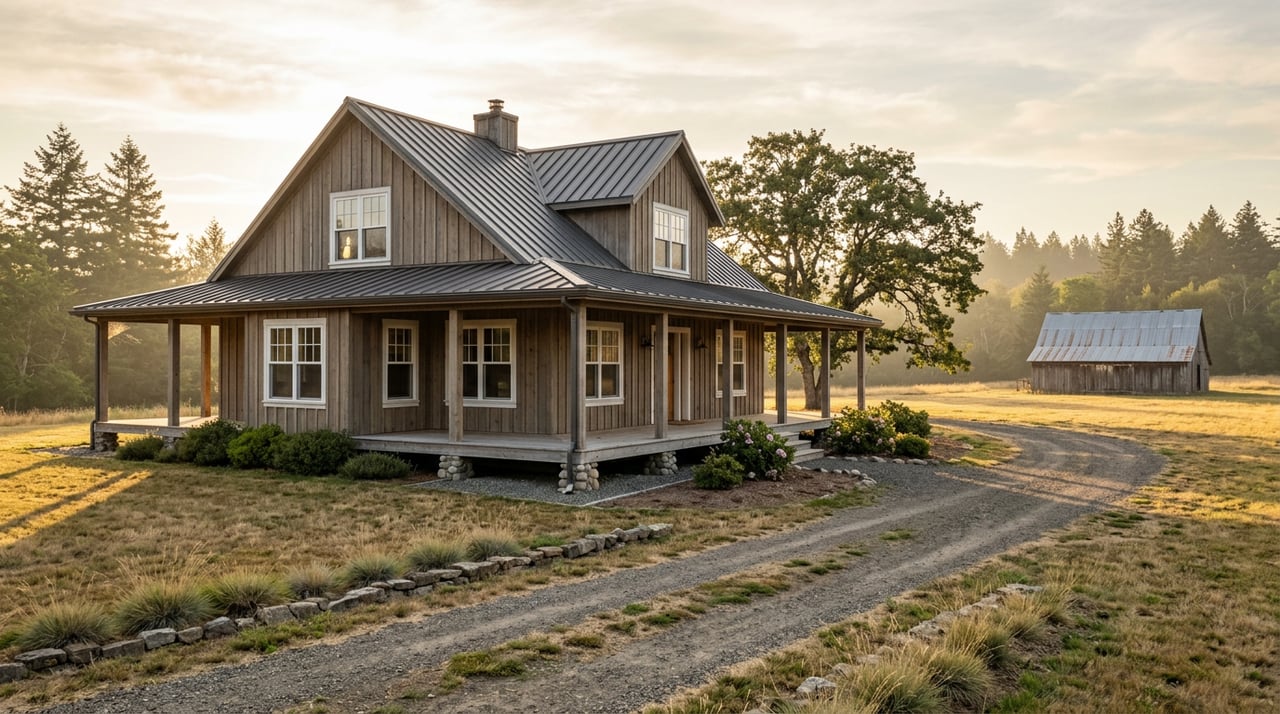
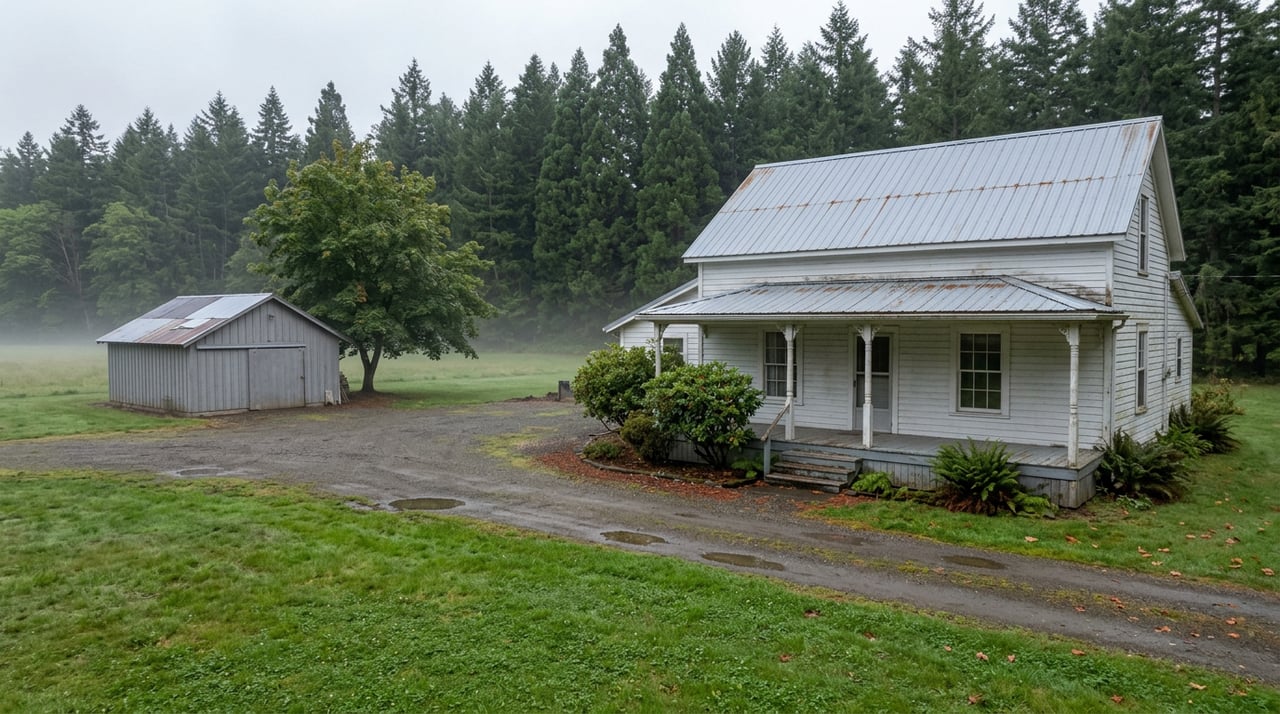
Local industries include healthcare, education, government, tourism, forestry, fishing, and cannabis. Housing ranges from historic homes and coastal cabins to rural acreage and newer suburban pockets. Many properties outside city limits use private wells and septic systems. Inventory can be tight near the coast and in select districts, so tradeoffs between commute time, services, and lifestyle are common.
US 101 is the main north to south route. State Routes 299 and 36 connect east to inland valleys. The regional Arcata–Eureka airport offers limited commercial flights, so travelers sometimes plan through larger hubs depending on timing and cost. Many roads are two lanes and can be affected by weather or roadwork, so plan for slower speeds than a big-city freeway.
Set Priorities First
Start by defining what matters most. Do you want coastal weather and proximity to beaches, or more sun and space inland? Consider access to healthcare and daily services, commute routes, and your preferred lot size and tree cover.
Build a realistic budget. In California, property tax is commonly around 1 percent of assessed value plus local assessments. Insurance can vary based on wildfire exposure, flood zones, and proximity to the coast. Many homes are older or have rural systems, so plan for maintenance on wells, septic systems, and roofs.
If schools matter to you, verify district boundaries on official pages and confirm enrollment steps directly with the district. Always use neutral, factual comparisons for schools and neighborhoods to ensure fair, legal housing conversations.
Remote Touring Tips
If you are shopping from out of the area, you can do a lot before setting foot on site. Ask for options like live video tours, comprehensive video walk‑throughs, 3D tours, floor plans with measurements, and high‑resolution photos. Drone photos or video can help you understand topography and tree cover on larger parcels.
Request property documents that help you evaluate running costs and system health. Good examples include recent utility bills for heating and water, septic inspection or pump records, well yield or pump test results, roof and structural reports, and pest or termite inspections. Ask for clear photos of the foundation, electrical panels, and mechanical systems.
For rural or larger parcels, ask for parcel maps, recorded easements, setback details, and a recent survey if the boundaries feel unclear. Consider an independent home inspection with a remote video review so you can see findings in real time and ask for extra photos or short clips of any issues.
Verify Property Details
Utilities can vary by address. Pacific Gas and Electric is the primary electricity provider in most of the region. Confirm whether the property is on city sewer or a private septic system. If it has a well, review the well log, depth, water quality testing, and recent maintenance. In town, confirm the municipal water district that serves the address.
Ask about road access. If a driveway or access road is private, look for road maintenance agreements. If the property sits off a county road, confirm the maintenance status and seasonal passability.
Review local rules that may affect your plans. If you expect to host short‑term rentals, verify city or county regulations for the property’s location. If you plan to grow cannabis or make changes within the coastal zone, confirm current rules with local planning offices. Carefully review the Natural Hazard Disclosure, which covers flood, fire, earthquake fault, and landslide hazard zones.
Set Up Utilities and Services
Power: PG&E may conduct Public Safety Power Shutoffs during high wildfire risk. Ask neighbors or the seller for typical outage experience. If you are a second‑home owner, consider a plan for periodic property checks. Some buyers plan for backup power with a generator or battery system.
Water and waste: Cities and some communities have municipal water and sewer. Rural homes often have private wells and septic systems. Obtain well logs or a recent pump test, septic permits and pump records, and confirm both systems can handle your household’s needs.
Internet and cell: Coverage varies by location. Towns may have fiber, cable, or DSL. Rural areas often rely on fixed wireless or satellite. Cell service can be spotty in coastal and inland valleys. Test coverage when possible and consider satellite internet or a cellular booster if needed.
Household services and mail: Trash and recycling providers differ by city or district, and some rural homes use private haulers. USPS serves most areas, but rural routes may use cluster boxes or P.O. boxes. Set up forwarding and decide if you need a local mail solution during gaps.
Registrations and records: Update your driver’s license and vehicle registration after you move. Confirm deed recording and property tax contacts with county offices. If you vote, update your voter registration after establishing residency.
Insurance and safety: Get insurance quotes early. Availability and cost can change with wildfire risk, flood zones, and the home’s age. Create an emergency plan that includes local alerts, evacuation routes, and a checklist for backup water and power if you live remotely.
Plan Your Timeline
8 to 12 plus weeks out: Define your needs, secure financing or a pre‑approval, and connect with a local agent who understands relocations and second homes. Start remote touring and build a shortlist.
4 to 8 weeks out: Make offers, negotiate contingencies, and order inspections and disclosures. Confirm that your title and escrow partners are comfortable handling remote documentation and courier services.
2 to 4 weeks before closing: Finalize inspections and agreements for any repairs. Confirm closing logistics, including e‑signing, courier steps, and notary appointments. Schedule movers, local storage if needed, and your utility start dates.
0 to 2 weeks: Complete your final walk‑through either in person or by video with a trusted local representative. Close escrow, plan key transfer, and line up your first property check if you arrive after closing.
Travel and Drive Tips
US 101 is the main route across the county, and it includes town stretches, hills, and truck traffic. State Routes 299 and 36 connect to inland regions. Weather, construction, and seasonal events like winter storms or wildfire work can add time.
When planning, use conservative ranges and verify with real‑time mapping before any trip. As a general guide:
- Short local trips like Eureka to Arcata or McKinleyville are typically tens of minutes town to town.
- Mid‑range county trips, such as Eureka to Garberville or inland valleys, often run 1 to 1.5 hours depending on route and conditions.
- Travel between Humboldt County and the San Francisco Bay Area is usually multi‑hour, commonly 4 to 6 hours depending on traffic and destination. Flights through the regional airport can shorten driving but schedules vary.
Practical Move Checklist
Before you buy
- Define your must‑haves: coast or inland, services and commute, lot size and trees.
- Set a budget that includes tax, insurance, and rural system maintenance.
- Verify school district and service area boundaries on official pages.
- Request detailed utility bills and maintenance records from the seller.
- Order early insurance quotes, especially if wildfire or flood risks apply.
- Plan robust inspections: home, pest, septic, well, and roof as needed.
During due diligence
- Confirm utilities: PG&E service, water district, sewer or septic, well data.
- Verify access: easements, private road maintenance, and seasonal passability.
- Review disclosures: title report, Natural Hazard Disclosure, and local rules.
- Test internet and cell coverage at the address when possible.
Pre‑move setup
- Schedule utility start dates for electricity, water, trash, and internet.
- Set up USPS mail forwarding or P.O. box and delivery preferences.
- Update address for driver’s license, vehicle registration, and voter registration.
- Enroll in local emergency alert systems and note evacuation routes.
Moving and after arrival
- Arrange a first‑week property check if the home was vacant.
- Change air filters and check smoke and carbon monoxide detectors.
- Consider a backup power plan and review well and septic maintenance.
- Compile contacts for a local plumber, electrician, and general contractor.
How Redwood Realty Helps
You deserve a local partner who listens and brings clear, actionable guidance. Redwood Realty is a locally rooted, full‑service brokerage with offices in Eureka and McKinleyville. Led by long‑tenured broker Karen Orsolics, our team emphasizes responsive, consultative service and community knowledge. We represent buyers and sellers across Humboldt County, including relocations and second‑home purchases.
With deep experience in both town and rural transactions, our team helps you understand tradeoffs between coast and inland areas, rural systems like wells and septic, and neighborhood‑level market dynamics. Our site tools, including instant home valuation, neighborhood guides, property search, and early‑access alerts, support your decision making while our Berkshire Hathaway HomeServices affiliation adds national marketing reach.
If you are planning a move to Humboldt County, connect with a trusted local advisor who can help you set priorities, structure your timeline, and navigate each step with confidence. Reach out to the team at Redwood Realty to get started.
FAQs
What should I know about Humboldt microclimates?
- Coastal areas often have cool summers and frequent fog, while inland valleys tend to be warmer with wetter winters, so confirm weather patterns for your target neighborhood.
How do wells and septic systems affect a purchase?
- Many rural homes use private wells and septic systems, so request well logs and septic records, order inspections, and confirm capacity for your household before you close.
How reliable is power in wildfire season?
- PG&E may use Public Safety Power Shutoffs during high wildfire risk, so ask sellers or neighbors about outage history and consider a backup power plan if needed.
What internet options can I expect?
- Town addresses may have fiber, cable, or DSL, while rural locations often rely on fixed wireless or satellite, so check address‑level availability and test cell coverage.
How long are typical drives in the county?
- Short town to town drives are usually tens of minutes, mid‑county trips often run 1 to 1.5 hours, and Bay Area travel is commonly 4 to 6 hours, but always verify with live mapping.
How can a local brokerage help if I am remote?
- A relocation‑savvy local team can guide priorities, coordinate timelines, and support remote steps from touring to closing, so you can move forward with clarity and confidence.