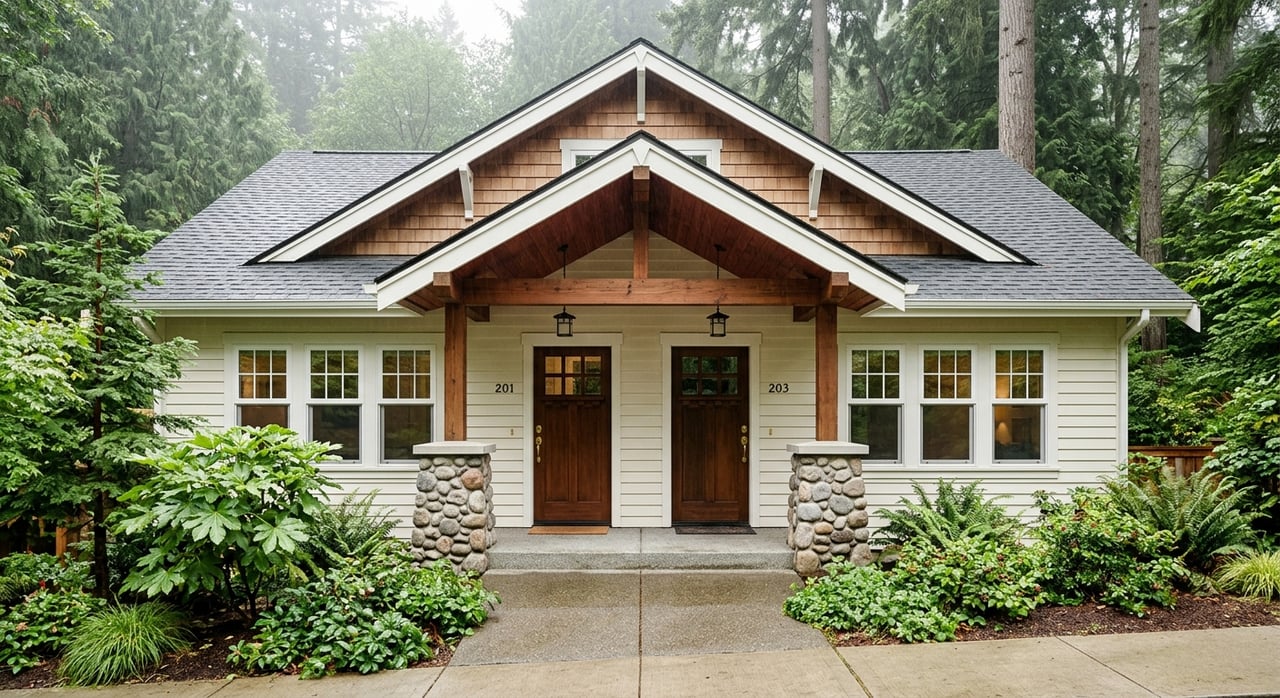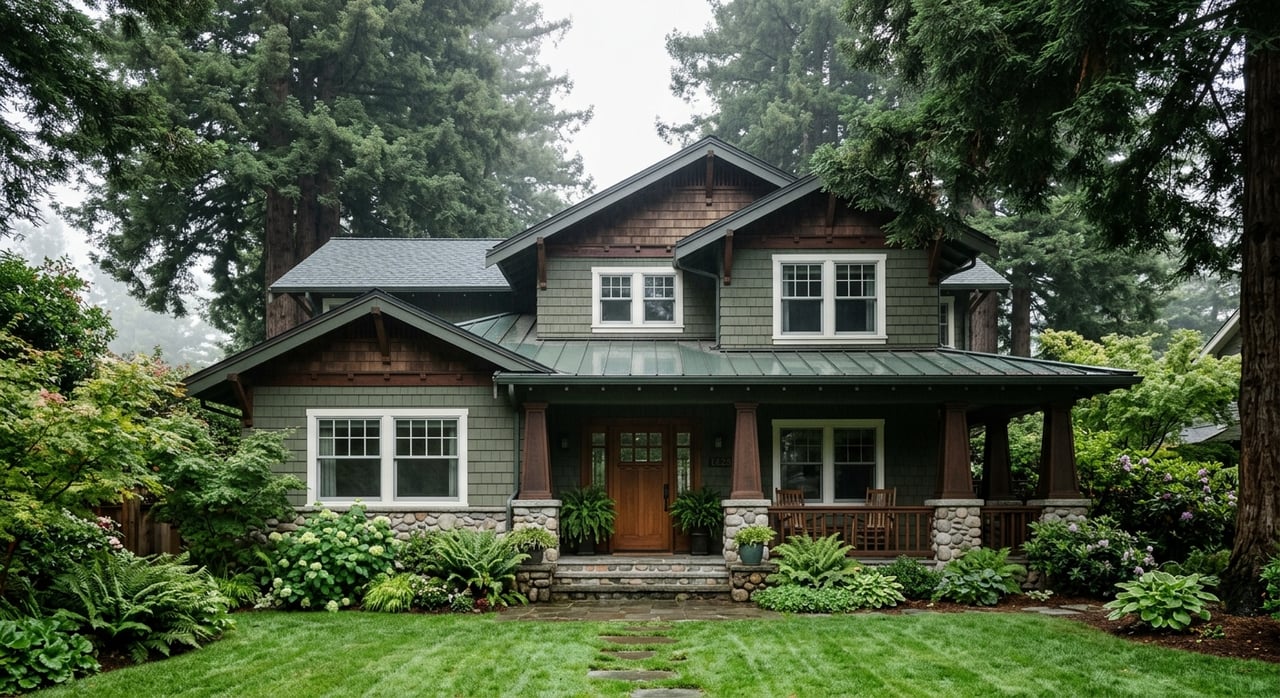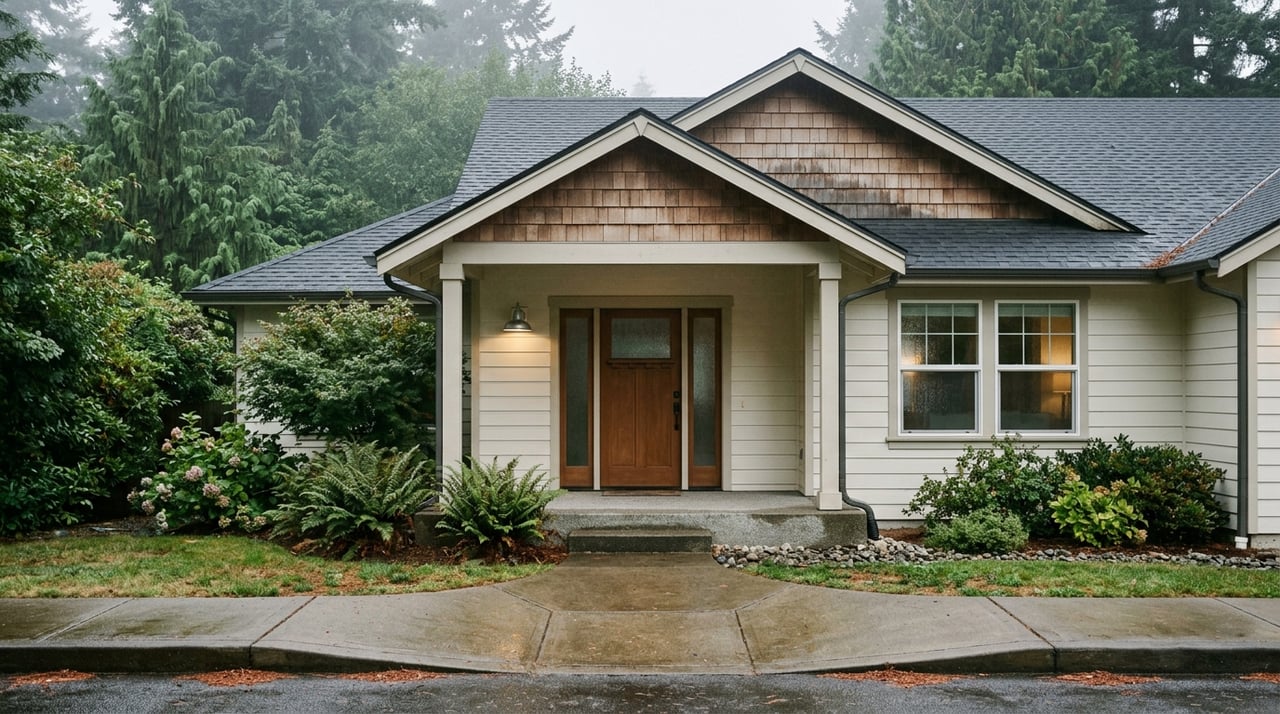
Trying to decide between living in town, by the coast, or on acreage in Humboldt County? You have great options, and each one offers a different pace, access to services, and set of trade-offs. If you want a clear side-by-side view of daily life, hazards to check, and the questions to answer before you buy, you are in the right place. Below, you will compare lifestyles, see practical checklists, and learn where to verify details with trusted local and state sources. Let’s dive in.
Humboldt overview
Humboldt County runs along California’s north coast with most communities strung along the US‑101 corridor. Larger population centers include Eureka, Arcata, McKinleyville, Fortuna, and nearby small towns. The region blends redwood forests, rivers, and ocean access, with outdoor recreation in state and national parks.
You can fly regionally from the Arcata–Eureka/California Redwood Coast Airport, which connects to larger hubs and makes longer trips easier if you do not want to drive the whole way. For road updates, especially during winter storms, check Caltrans District 1 information. If you want a sense of local outdoor highlights, the Redwood National and State Parks overview is a helpful place to start.
Town living: Eureka, Arcata, McKinleyville, Fortuna
Daily life and services
Town living gives you shorter trips for groceries, medical care, schools, and community events. Arcata adds a college-town rhythm with Cal Poly Humboldt anchoring campus programs and arts. You will find more choices in dining, rentals, and single-family homes, plus walkable pockets in older neighborhoods.
Homes and lots
You will see a mix of historic homes and newer builds, often on smaller city lots. Some older homes may need updates or maintenance. Parking, storage, and yard space vary by neighborhood.
Utilities and connectivity
Municipal water and sewer are more common inside city limits. Internet and cell coverage are generally stronger in denser areas, with wired broadband options more available.
Hazards and constraints
Urban wildfire risk is typically lower than remote areas, though it still exists. Low-lying zones near Humboldt Bay can have flood concerns. You can review flood zones through the FEMA Flood Map Service Center before you get serious about a property.
Top questions to answer
- Is the home connected to municipal water and sewer, or private systems?
- How close is it to your work, schools, and medical care?
- What do permits look like if you plan updates? Start with the Humboldt County Planning & Building Department.
Coastal small towns: Trinidad, Ferndale, and beyond
Daily life and services
Coastal living centers on ocean views, beach access, and a quieter pace. Some towns have seasonal tourism that brings more visitors in the summer. You will likely trade a bit of convenience for scenery and a small-town feel.
Homes and lots
Inventory can be limited, especially for properties with ocean views or near the water. Many homes are cottages or vacation-style houses, and some are older.
Utilities and connectivity
Some coastal parcels use private wells and septic systems. Internet and cellular coverage can vary widely by location and elevation, so confirm providers before you commit.
Hazards and constraints
Coastal areas have unique risks, including erosion, bluff stability, and tsunami exposure. Review coastal hazard guidance and local evacuation planning through federal and state resources such as NOAA and county materials. For flood risk related to storms and surge, use the FEMA Flood Map Service Center. Coastal development may require special permits; start with the Planning & Building Department to understand coastal zone rules.
Top questions to answer
- Is the property in a tsunami or flood zone, and can you insure it?
- Are the well and septic systems permitted and adequate for year-round living?
- How do road access and parking work during busy visitor seasons?
Country and acreage: valleys, timberlands, ridges
Daily life and services
If you want privacy and room to spread out, rural parcels offer space for gardening, small-scale agriculture, and land stewardship. Expect to plan ahead for shopping, appointments, and weather.
Homes and lots
Parcels range from a few acres to very large tracts. Some properties sit in timber production zones or agricultural designations that affect use and taxes. Neighbors may be far apart.
Utilities and connectivity
Wells and septic systems are common. Electricity can require long extensions in remote spots. Propane and off-grid power systems are not unusual. Internet often relies on fixed wireless or satellite.
Hazards and constraints
Wildfire exposure can increase in inland and wildland-interface areas. Seasonal road conditions and storms can limit access. Before you buy, review the Cal Fire Fire Hazard Severity Zone resources and confirm defensible space requirements with local fire districts.
Top questions to answer
- Do you have legal, maintained access, and who pays for road upkeep?
- Is there a reliable water source with well logs and permits? Check with Environmental Health.
- What does zoning allow, and are there timber or riparian limits? Start with Planning & Building.
Quick chooser: which lifestyle fits you?
Town dweller
You value walkable services, shorter trips, and community events.
- Top checks: municipal utilities, potential flood zones via FEMA maps, and permit path for remodels at Planning & Building.
Coastal small‑town resident
You want ocean access and scenic views, and you do not mind seasonal visitors or limited inventory.
- Top checks: coastal hazards and evacuation planning, well and septic permits via Environmental Health, and insurance quotes for flood exposure.
Rural acreage owner
You prioritize privacy, space, and self-reliance.
- Top checks: road and easement rights, wildfire exposure via Cal Fire resources, and utility feasibility for power, water, and internet.
Before you write an offer
Use this quick checklist to confirm the essentials.
- Services and response times: Map drive times to grocery, schools, clinics, and the nearest hospital. For regional bus options, check the Humboldt Transit Authority.
- Utilities and connectivity: Confirm municipal versus private systems, and check broadband coverage with providers active in your area. If you need to fly often, review current routes at the ACV airport.
- Zoning and buildability: Verify parcel zoning, General Plan designation, and any coastal or timber overlays with the Planning & Building Department.
- Septic and wells: Ask for septic feasibility or inspection reports and well logs. Contact Environmental Health for records.
- Hazard maps and insurance: Review wildfire exposure through Cal Fire and flood zones through FEMA. Obtain insurance quotes early.
- Access and road maintenance: Confirm whether roads are county maintained or private, and review any agreements for shared maintenance.
- Taxes and assessments: Contact the Humboldt County Assessor for parcel taxes and special assessments.
Getting around and planning travel
Most daily travel runs along US‑101, which is generally light compared to major metro areas. Weather can affect travel, especially on rural roads and during winter storms. Always check Caltrans District 1 updates before long drives. For trips beyond the region, the Arcata–Eureka/California Redwood Coast Airport provides scheduled flights with connections to larger hubs.
Move with a local guide
Choosing between town, coast, and country is easier when you have local insight on utilities, hazards, and permitting. A knowledgeable agent will help you read maps, request the right reports, and confirm the details that shape value and livability. If you want a calm, experienced guide who knows Humboldt’s neighborhoods and backroads, reach out to Redwood Realty to start planning your next move.
FAQs
What should I verify about internet in Humboldt County?
- Coverage varies by location. Towns usually have wired broadband, while rural parcels may rely on fixed wireless or satellite. Confirm provider options and speeds before making an offer.
How do I check flood or tsunami exposure for a coastal Humboldt home?
- Start with the FEMA Flood Map Service Center for flood zones and review local tsunami planning resources from federal and county agencies. Obtain insurance quotes early to confirm availability.
What permits do I need to build on rural land in Humboldt County?
- Confirm zoning, septic feasibility, and well records with the Planning & Building Department and Environmental Health before assuming buildability.
How can I assess wildfire risk for an inland Humboldt property?
- Review the Cal Fire Fire Hazard Severity Zone resources and speak with local fire districts about defensible space. Obtain homeowners insurance quotes early.
What is daily travel like across Humboldt County?
- Most trips use US‑101, with light traffic compared to big cities. Weather can slow travel, so check Caltrans District 1 for road conditions and plan extra time from remote areas.