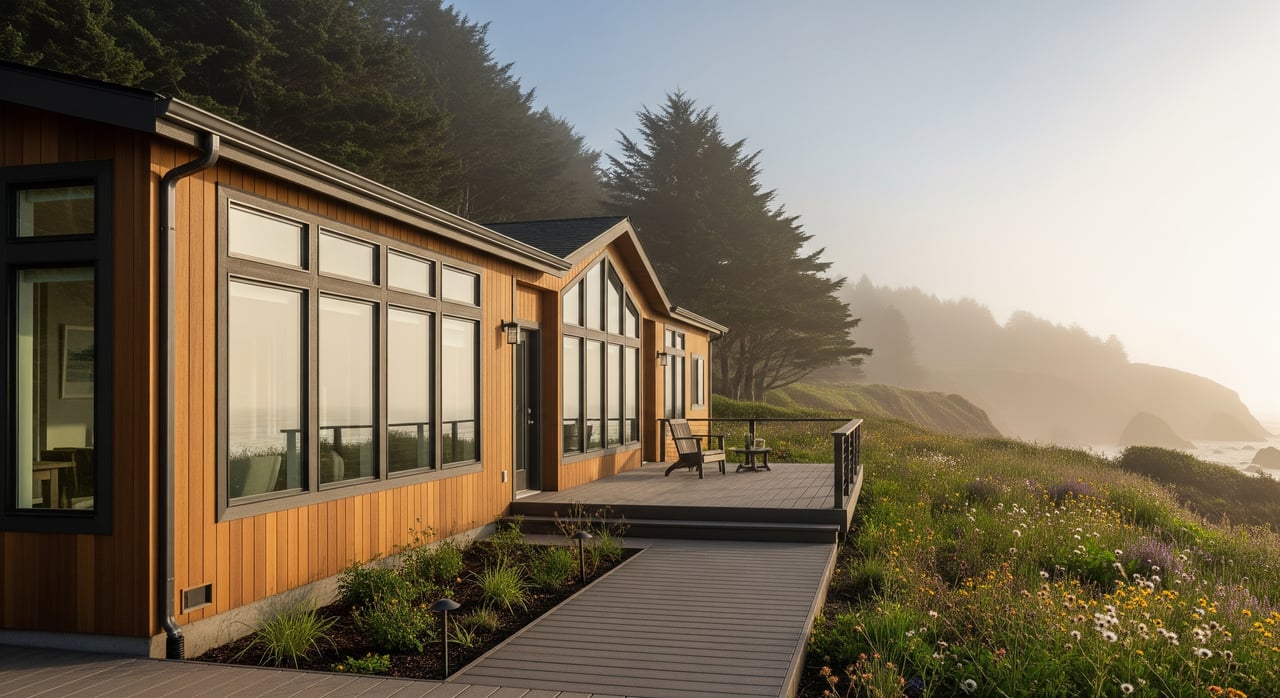
Is a manufactured home the right path to homeownership for you in McKinleyville? If you are weighing affordability, speed to move-in, and value, it could be a strong option. The details can feel complex, from HUD tags to park rules to financing choices. This guide breaks it all down so you can shop confidently, avoid costly surprises, and close with clarity. Let’s dive in.
Manufactured, mobile, and modular: key differences
Understanding the terms helps you compare apples to apples.
- Manufactured home: Built in a factory to the federal HUD Code that took effect on June 15, 1976. These homes have a HUD data plate and serial or VIN numbers.
- Mobile home: Common term for homes built before the HUD Code. Financing and regulations are different, and many lenders will not finance pre-1976 units.
- Modular home: Factory-built to local or state building codes, not the HUD Code. Once installed, modular homes are treated like site-built homes for many purposes.
Title vs. real property status
A manufactured home can be titled as personal property through the California DMV or converted to real property through an affixation process that is recorded with the county. The status affects financing, taxes, resale, and how escrow is handled.
Signs a home is real property may include a recorded deed or affidavit of affixation, cancellation of the DMV title, and assessment as real estate by the county. Ask the seller for documentation, and confirm records with Humboldt County offices during escrow.
Documents to collect early
- HUD data plate and certification labels
- DMV Certificate of Title if the home remains personal property
- Any recorded Declaration of Affixation or related county records
- Installation and foundation permits and inspection records
Park space vs. land you own in McKinleyville
McKinleyville sits in unincorporated Humboldt County. That means county departments handle zoning, planning, building permits, septic and well approvals, and many inspections. Your first fork in the road is whether to buy in a mobilehome park or buy a home on land you will own.
Buying in a park
If you buy a home in a park, you typically own the home and rent the space. California’s Mobilehome Residency Law sets statewide rules for park operations, lot rent procedures, park rules, and eviction standards. Ask the park for its current Rules and Regulations, space lease, history of rent increases, and any notices or enforcement actions. Confirm whether park approval is required for your purchase.
Key considerations include monthly pad rent, utilities and metering, park rules on pets or rentals, and the park’s history and stability. Be aware that park sale or closure can create relocation pressure and costs for residents. Financing in parks often uses chattel loans, which have different rates and terms than standard mortgages.
Buying on your own land
If you buy a manufactured home on a parcel you will own, you will work with Humboldt County Planning and Building on zoning, setbacks, lot standards, and any installation permits. Many local parcels rely on septic systems and wells. Verify permits, capacity, and locations with Humboldt County Environmental Health, since repairs or replacements can be expensive and may affect habitability and financing.
The North Coast also has areas in FEMA flood zones and coastal overlays. Some sites may require specific tie-downs or elevation standards. Always check floodplain and coastal zone status before making a final offer.
How financing works for manufactured homes
Manufactured-home financing falls into two broad categories: real-property mortgages and chattel loans. Your options depend on the home’s status, age, foundation, and location.
Real-property mortgages
When the home is permanently affixed, recorded as real property, and the land is included, you may access conventional, FHA, or VA mortgages. These programs have manufactured-home eligibility rules, including foundation and installation standards, age guidelines, and documentation requirements. In general, this route offers the best terms and rates.
Chattel (home-only) loans
If the home remains titled personal property, which is common in parks where you rent the lot, lenders use chattel loans. These loans often carry higher interest rates and shorter terms. Specialty lenders and local credit unions sometimes offer them. Be sure to compare offers and understand the total cost.
Common lender requirements
Lenders who finance manufactured homes usually require:
- HUD certification labels and data plate, plus the serial or VIN numbers
- Build year of 1976 or newer, with some lenders setting stricter age limits
- Permanent foundation certification that meets HUD or FHA standards when financing as real property
- Local building or installation permits and inspection records
- Appraisal by a professional familiar with manufactured homes
- Clear title status, either a DMV title for chattel or recorded affixation documents and county assessment for real property
- Proof of insurance, sometimes including wind, fire, or earthquake coverage
- Confirmation of permanent utilities and any septic or well permits
If you plan to finance, speak with lenders early so you know whether they allow chattel loans or require real-property status and a permanent foundation.
The step-by-step buyer process
1) Decide park or land
Start with lifestyle and budget. Park homes may offer a lower upfront price point, but you pay ongoing space rent and accept park rules. Owning land may cost more initially but often offers better financing options and long-term value potential.
2) Get pre-approved
Ask lenders whether they finance manufactured homes, whether they do chattel loans, and what foundation or affixation standards they require. A pre-qualification that is specific to manufactured homes will save time and reduce surprises later.
3) Gather key documents
Request the HUD data plate details, the DMV Certificate of Title if it exists, and any recorded affixation paperwork from the seller. If the home is in a park, obtain the lot lease, park Rules and Regulations, and written confirmation of current rent and recent increases.
4) Inspect the home and foundation
Hire an inspector who has manufactured-home experience. They should review structural elements, tie-downs and anchoring, roof condition, HVAC, plumbing, electrical, skirting, and the crawlspace. If you plan to finance as real property, you will likely need a separate permanent foundation inspection and certification.
Look closely for water intrusion, subfloor moisture, and mold, which are common in older units and can be costly to remediate.
5) Verify permits and site constraints
Confirm installation and building permits with Humboldt County Planning and Building. For land sites, verify septic and well permits and capacity with Humboldt County Environmental Health. Check FEMA and county flood maps for floodplain status and any coastal zone restrictions that could drive upgrade requirements.
6) Coordinate title and escrow
- If the home will remain personal property, escrow will process a DMV title transfer. In a park, confirm whether park approval is required before the transfer.
- If converting to real property, escrow will coordinate the affixation documents with the Humboldt County Recorder and handle cancellation of the DMV title where required. This step can add time and requires close coordination among you, the seller, the lender, and the county.
Choose a title and escrow company experienced with manufactured-home transactions, since these deals can involve both DMV and county recording steps.
7) Line up insurance and taxes
Get insurance quotes early, especially for older homes. Some insurers have age or condition restrictions, and special coverage for wind, fire, or earthquake may be required. Confirm the home’s current tax status with the Humboldt County Assessor and how it may change after affixation.
8) Post-closing checklists
If converting to real property, confirm recording of the final documents and that the DMV title has been canceled, if applicable. For park homes, update park records and confirm your tenant file is complete.
Risks and resale factors to weigh
Every property type has tradeoffs. With manufactured homes, consider the following:
- Park ownership risks: Lot rent can increase, and parks can be sold or repurposed, which can create relocation challenges and costs. Park-specific rules can also affect your ability to rent the home later.
- Condition and obsolescence: Older systems and materials may be near end of life. Tie-downs, skirting, subfloors, insulation, and roofs may need upgrades to meet lender or safety standards.
- Financing and insurance costs: Chattel loans often carry higher rates and shorter terms than mortgages. Insurance for older manufactured homes can be more expensive or harder to obtain.
- Resale dynamics: Homes on owned land often track closer to site-built homes for appreciation and buyer pool. Park-located homes can be more sensitive to lot rent, park rules, and lender availability.
Local agencies and pros to contact
You will likely work with several local offices and professionals:
- Humboldt County Recorder’s Office for recorded deeds, affixation documents, and liens
- Humboldt County Assessor for real property vs. personal property tax status
- Humboldt County Planning and Building Department for zoning, permits, and installation records
- Humboldt County Environmental Health for septic and well permits and capacity
- California Department of Housing and Community Development for statewide manufactured housing and park oversight information
- California Department of Motor Vehicles for title lookups and transfers
- FEMA and Humboldt County floodplain maps for flood risk verification
- Lenders and local credit unions that offer manufactured-home loans, including chattel options
- Title and escrow companies with manufactured-home experience
- Inspectors and contractors who specialize in manufactured homes, foundations, and tie-down upgrades
- Insurance agents familiar with coastal Northern California risks and coverage
A practical buyer checklist
Use this list to keep your purchase on track:
- Choose park living with space rent or a home on land you own
- Get pre-approved with a lender that finances manufactured homes and clarify chattel vs. real-property terms
- Collect the HUD data plate info, DMV title details, and any recorded affixation documents
- If in a park, obtain the space lease, Rules and Regulations, and written rent history
- Order a manufactured-home inspection and a separate foundation inspection if financing as real property
- Verify permits with Humboldt County departments, and confirm septic and well records and capacity
- Check floodplain and coastal zone status and note any required upgrades
- Get multiple insurance quotes and confirm lender coverage requirements
- Choose a title and escrow team with manufactured-home expertise and plan for DMV plus county recording steps if affixing
- Budget for potential upgrades, such as tie-downs, skirting, insulation, or septic repairs
Buying a manufactured home in McKinleyville can be a smart move if you approach it with clear information, the right team, and a solid plan. If you want local guidance from offer to closing, reach out to the team at Redwood Realty. We help you weigh park versus land options, coordinate inspections and permits, and navigate financing so you can move forward with confidence.
FAQs
What is the difference between manufactured, mobile, and modular homes?
- Manufactured homes are built to the federal HUD Code after June 15, 1976, mobile homes generally refer to pre-1976 units, and modular homes are built to local or state building codes and treated like site-built homes once installed.
Can I finance a manufactured home in a McKinleyville park?
- Yes, but many park purchases use chattel loans, which often have higher rates and shorter terms than mortgages; compare lenders and confirm park approval requirements.
How do I know if a manufactured home is real property in Humboldt County?
- Look for a recorded deed or affidavit of affixation, cancellation of the DMV title, and assessment as real property by the county, and verify records during escrow.
What inspections should I order before buying a manufactured home?
- Hire an inspector experienced with manufactured homes and order a foundation or permanent installation certification if you plan to finance as real property.
What permits matter for septic and wells near McKinleyville?
- Many parcels use septic and well systems; verify permits, capacity, and locations with Humboldt County Environmental Health, since repairs can be costly and affect financing.
Does flood risk affect manufactured home purchases on the North Coast?
- Yes, properties in FEMA flood zones or coastal overlays may require specific tie-downs or elevation standards, which can influence financing, insurance, and installation costs.